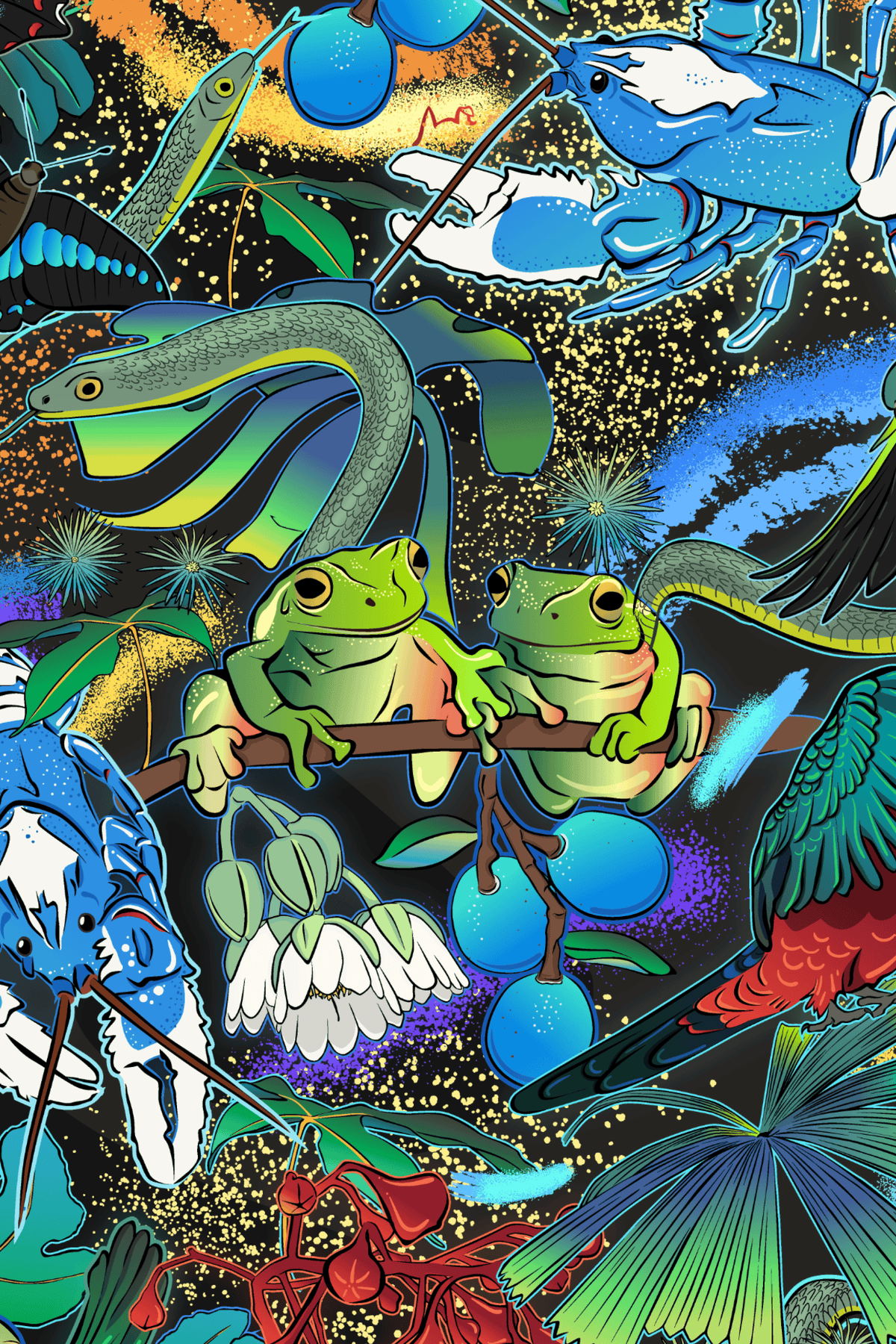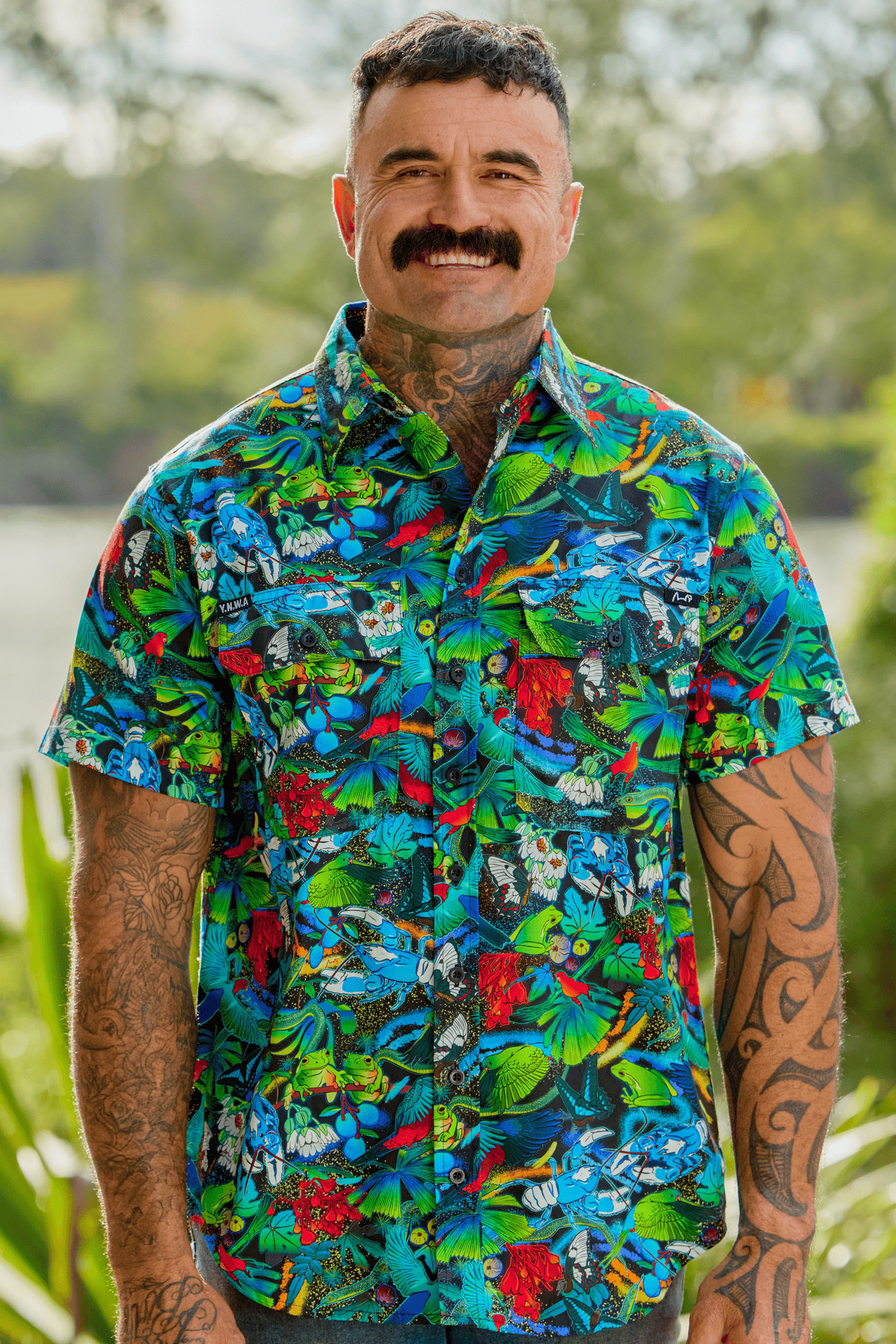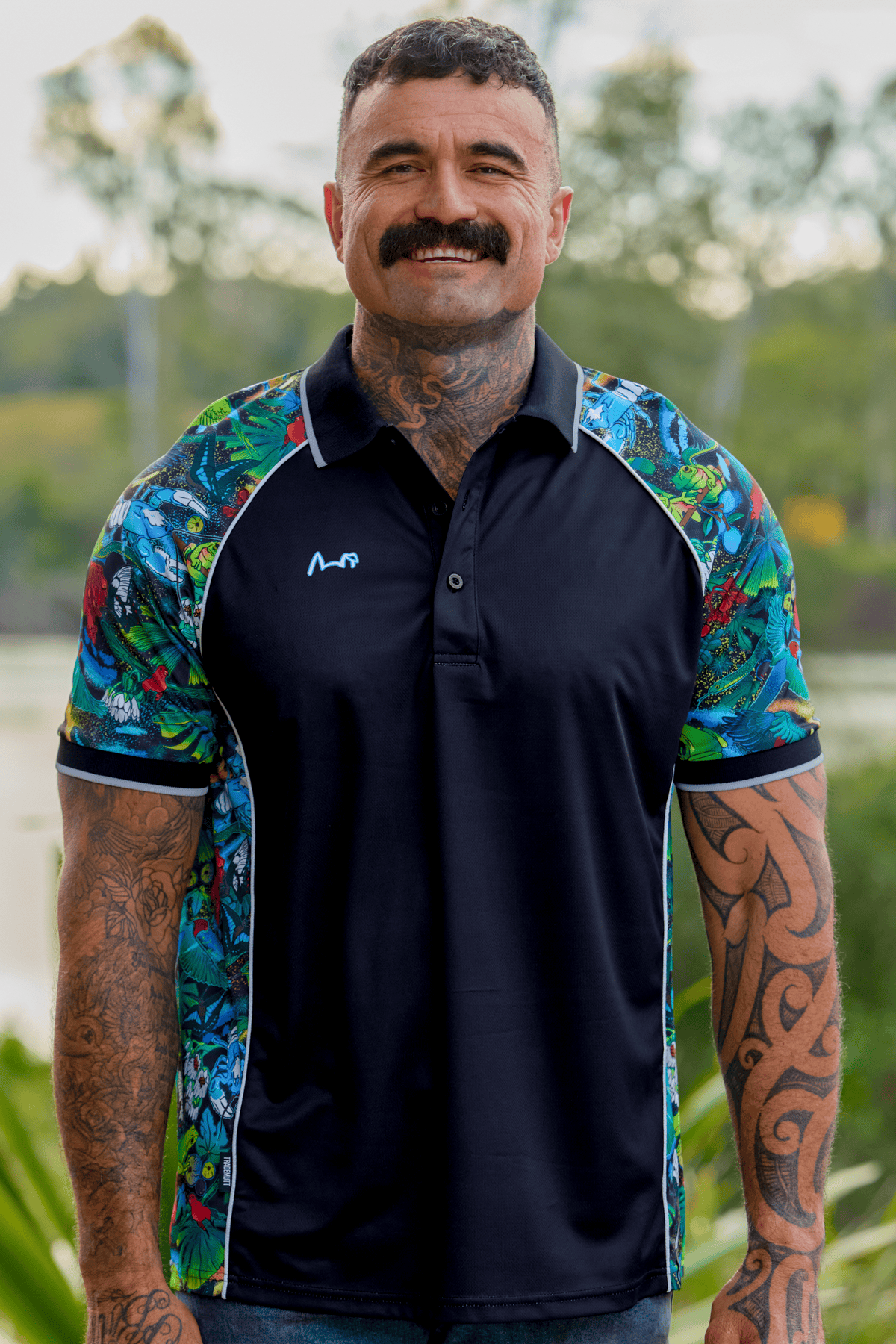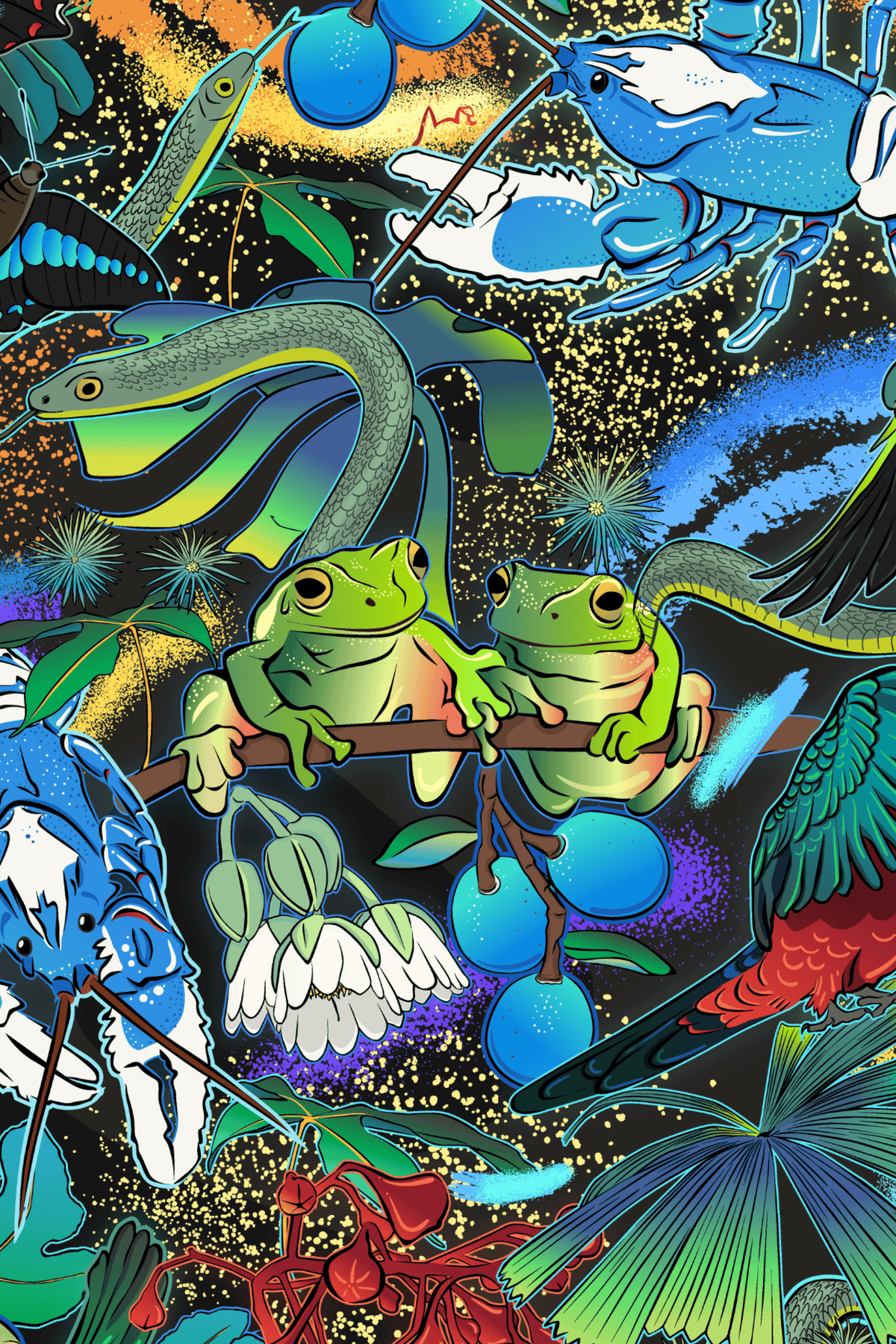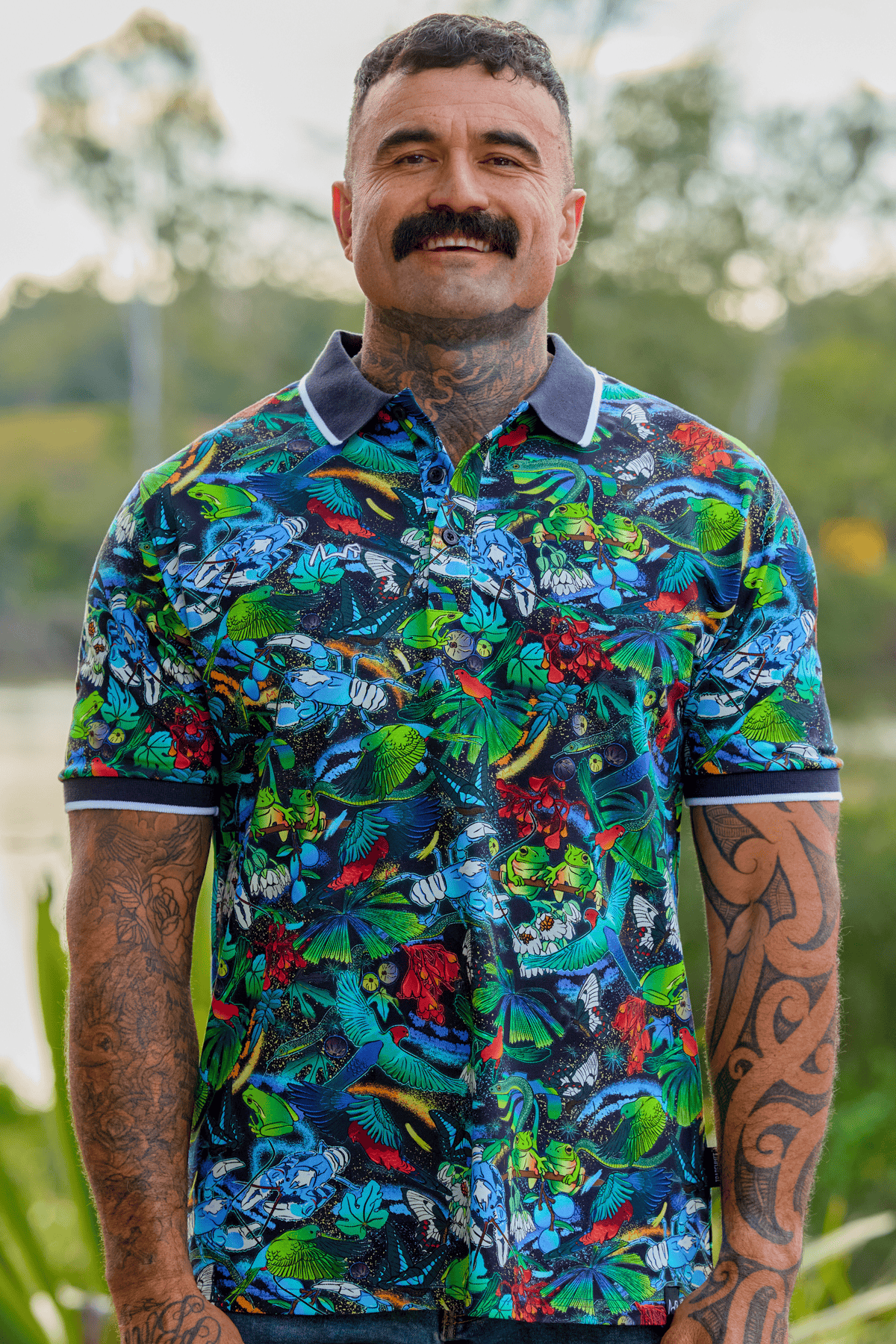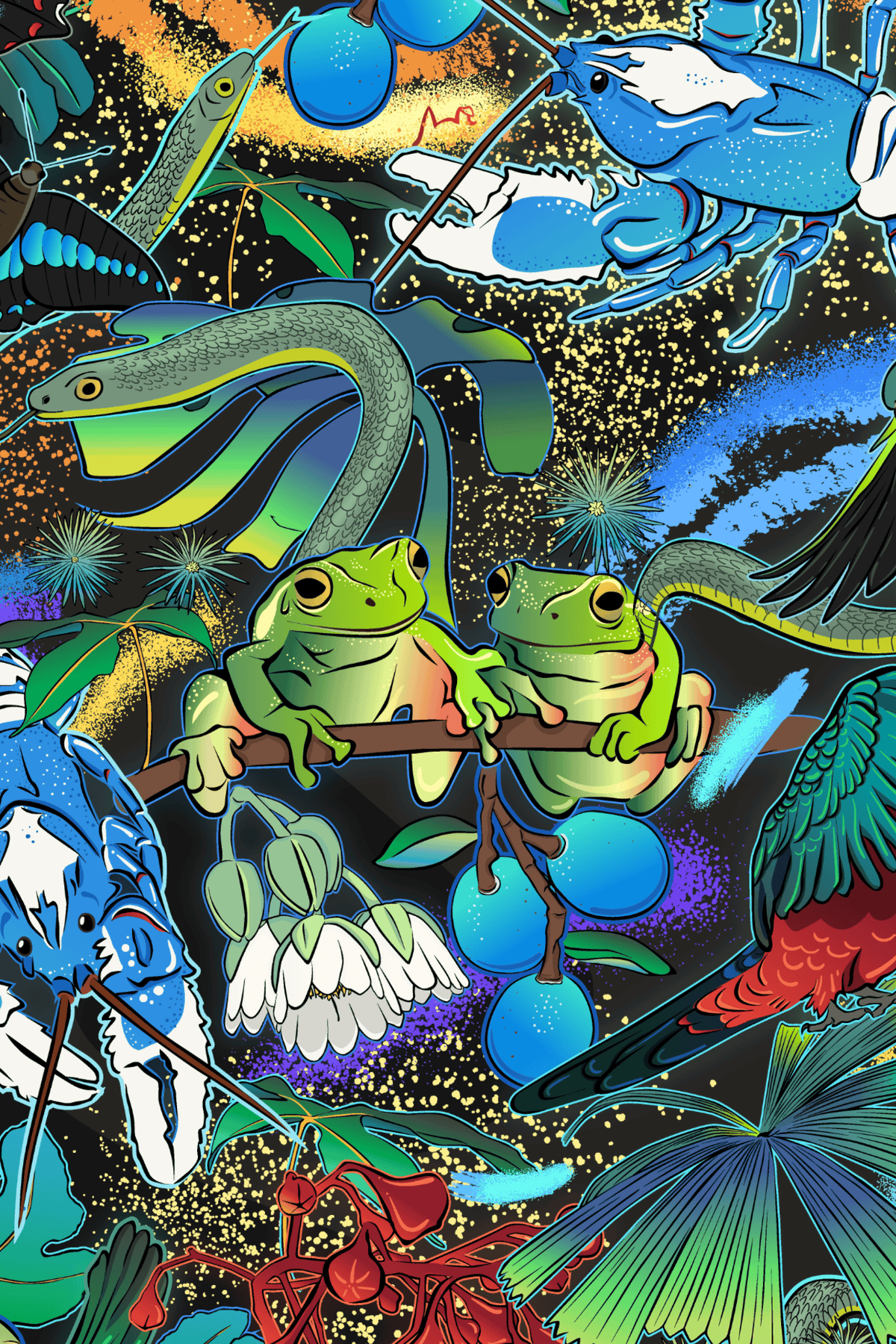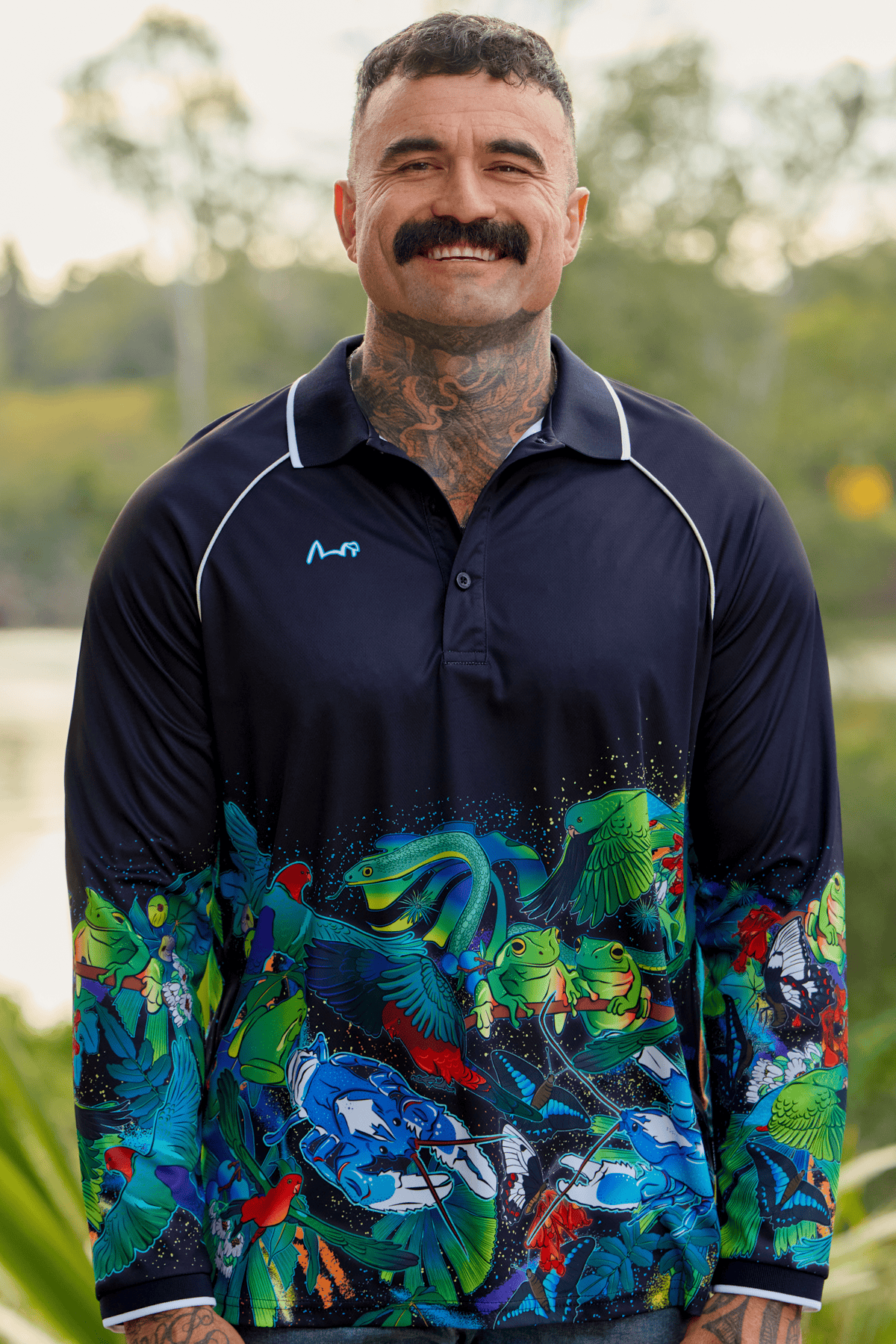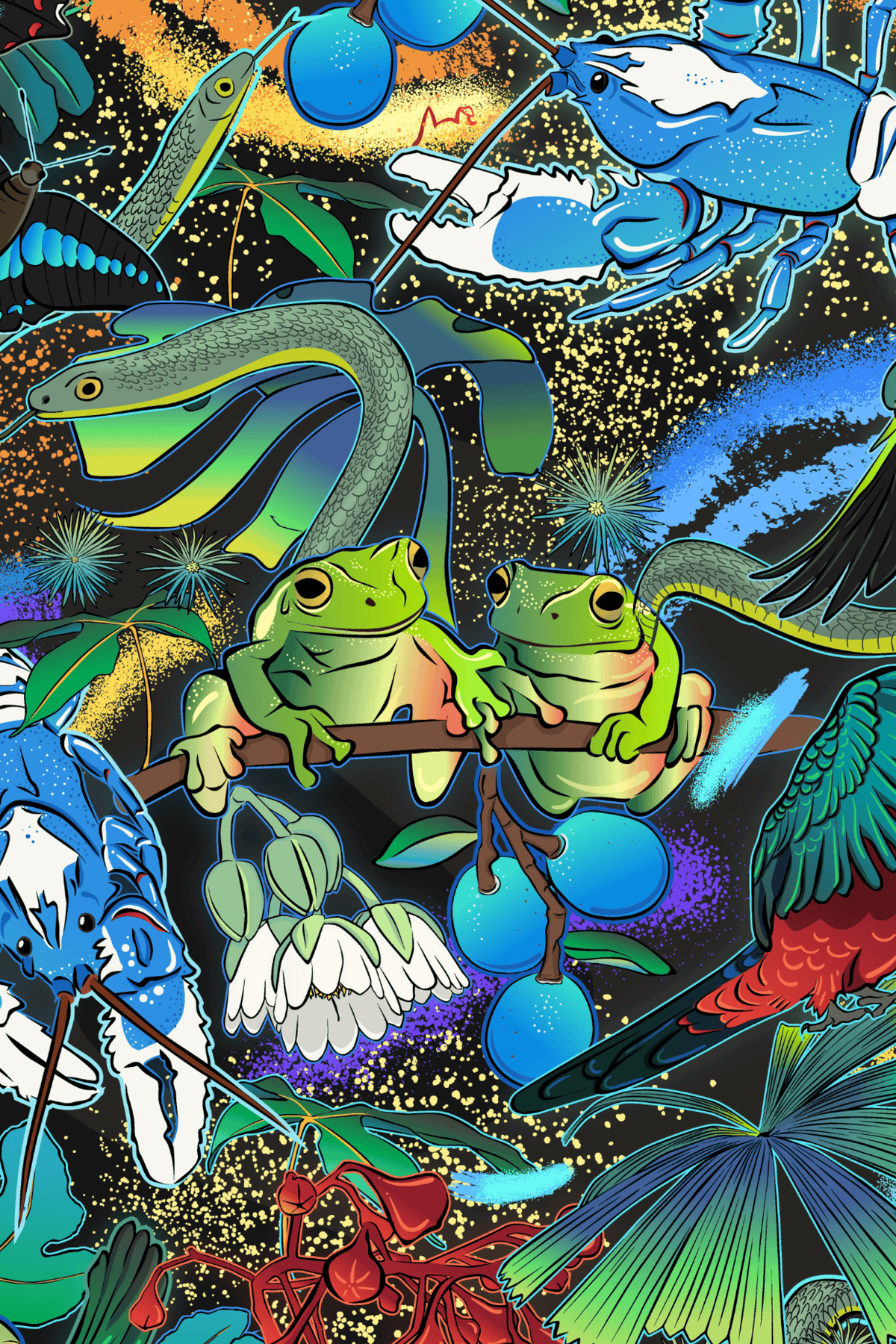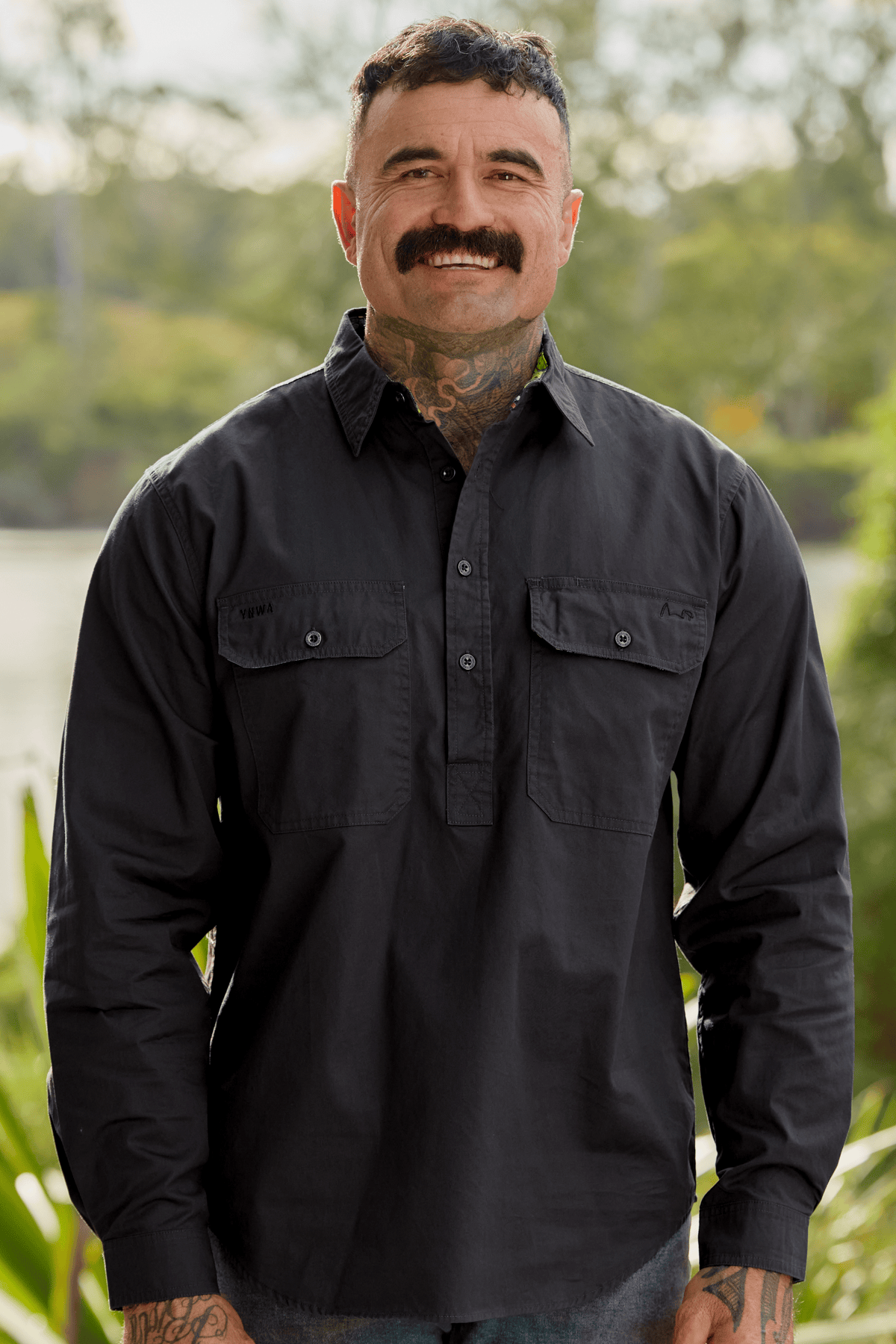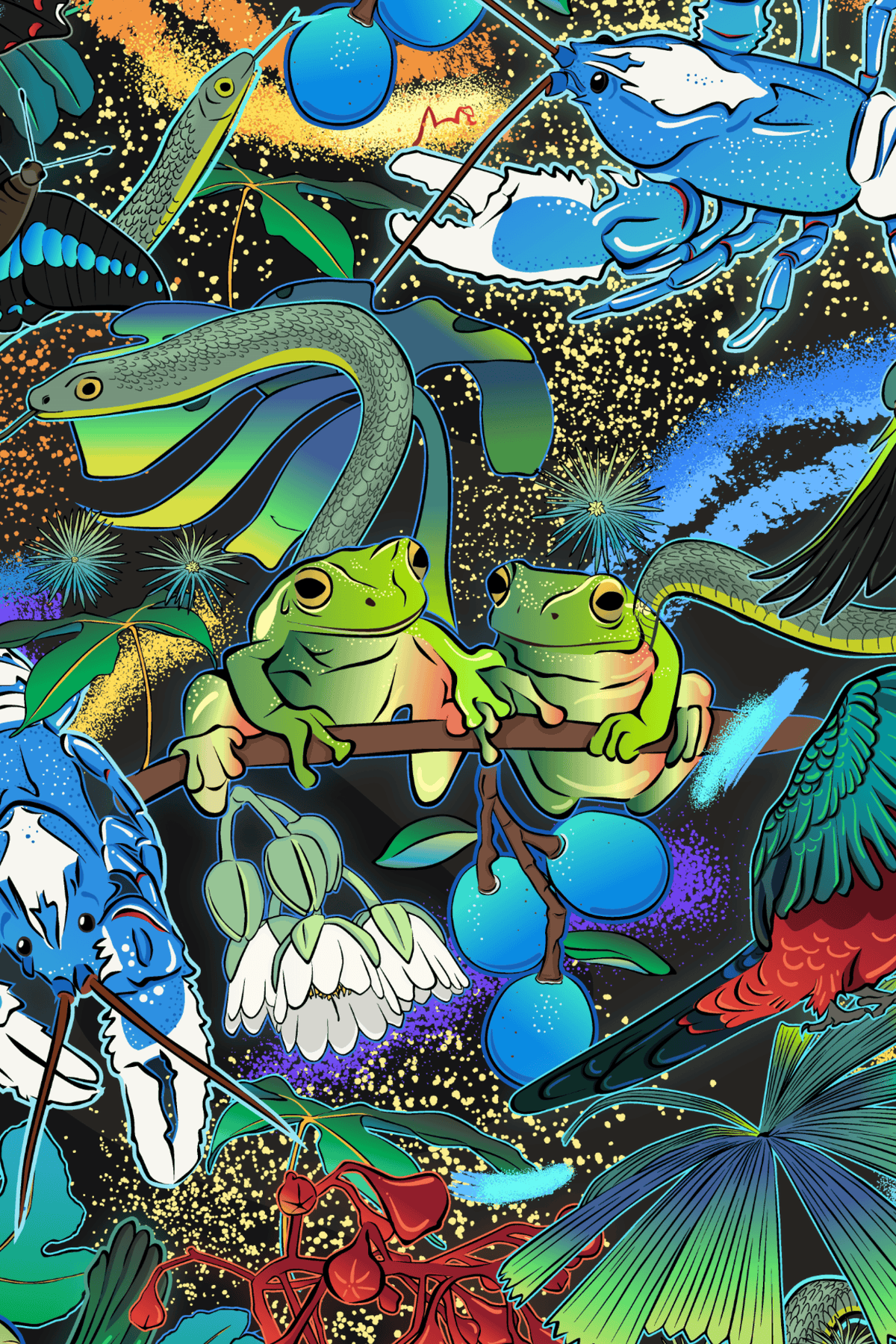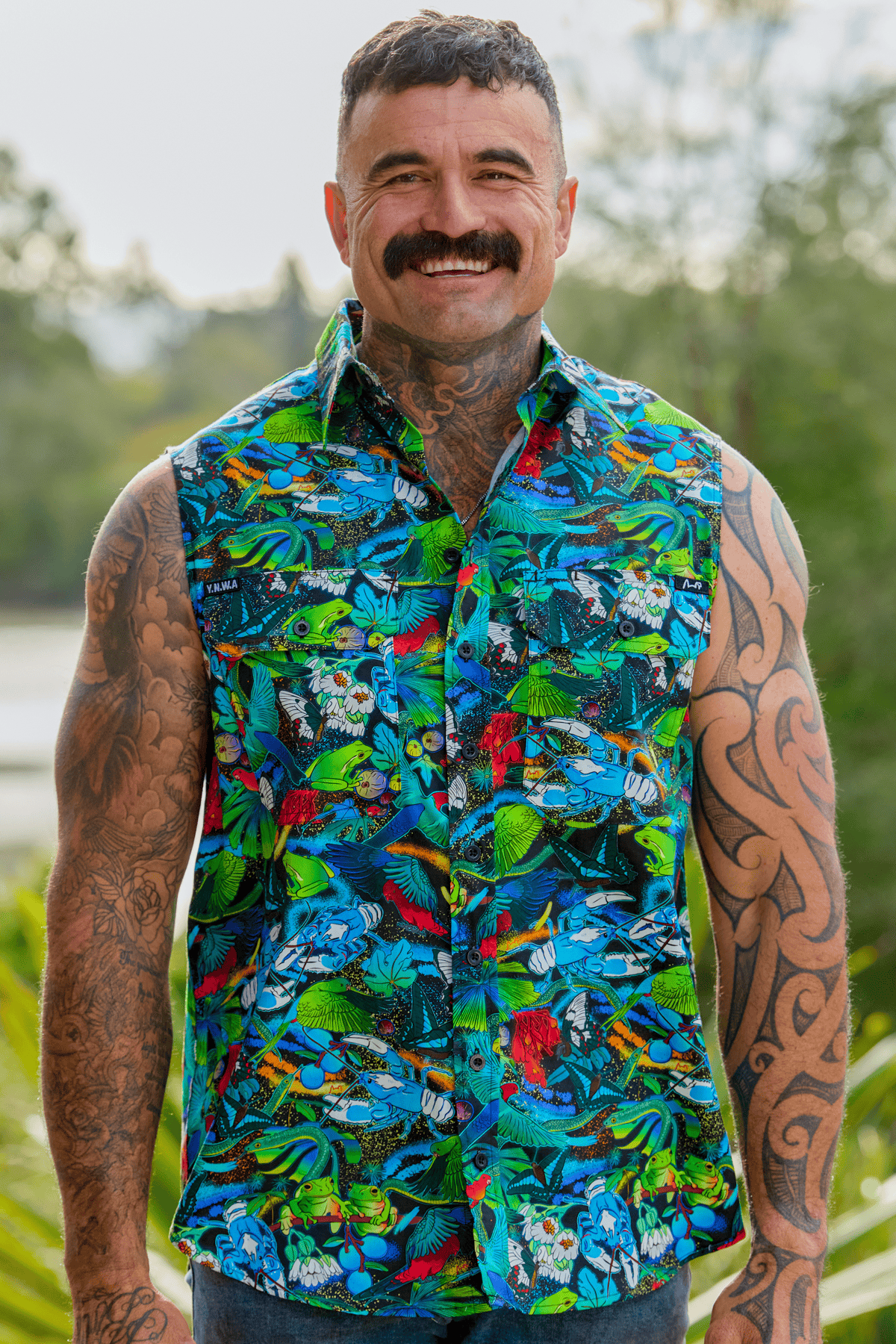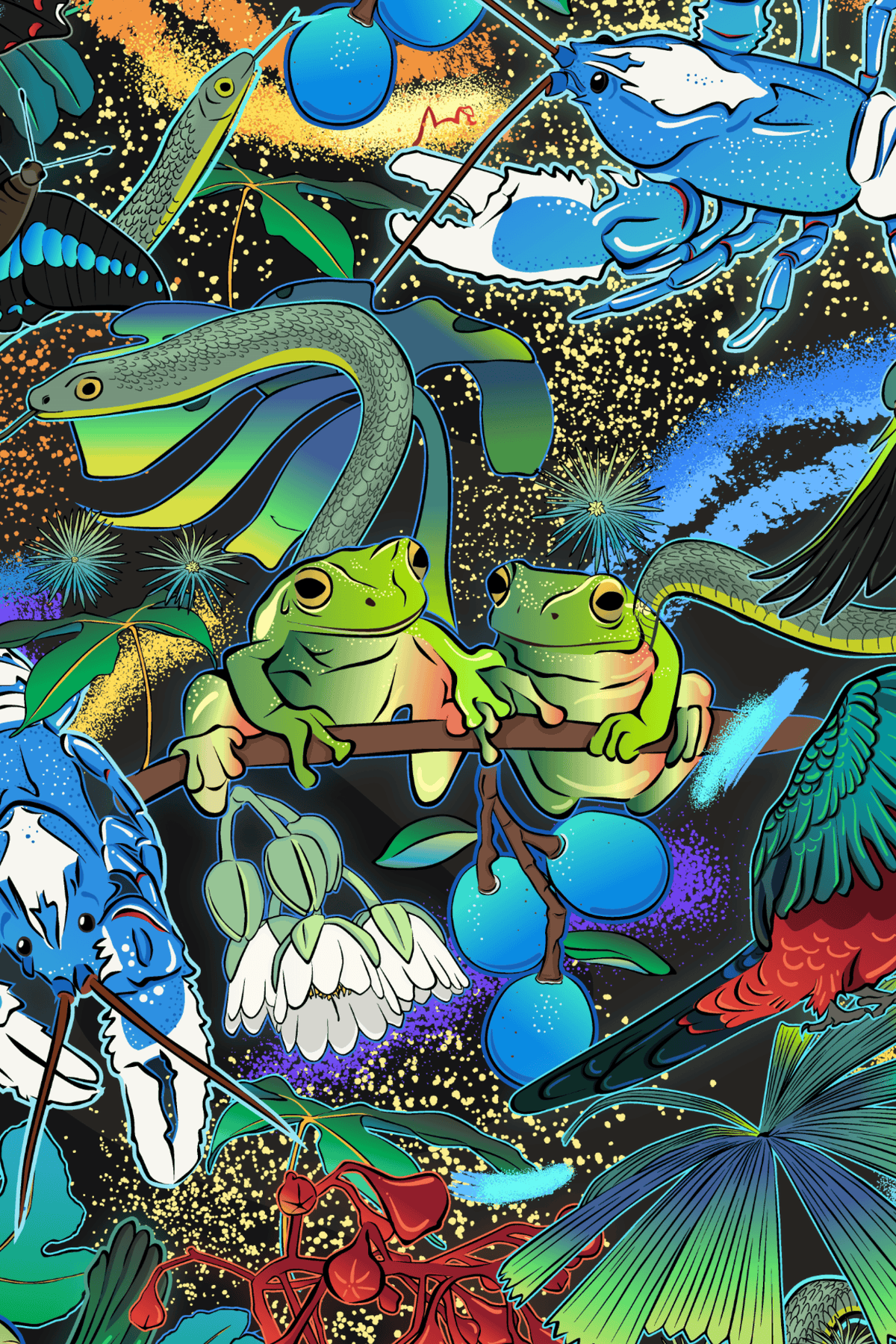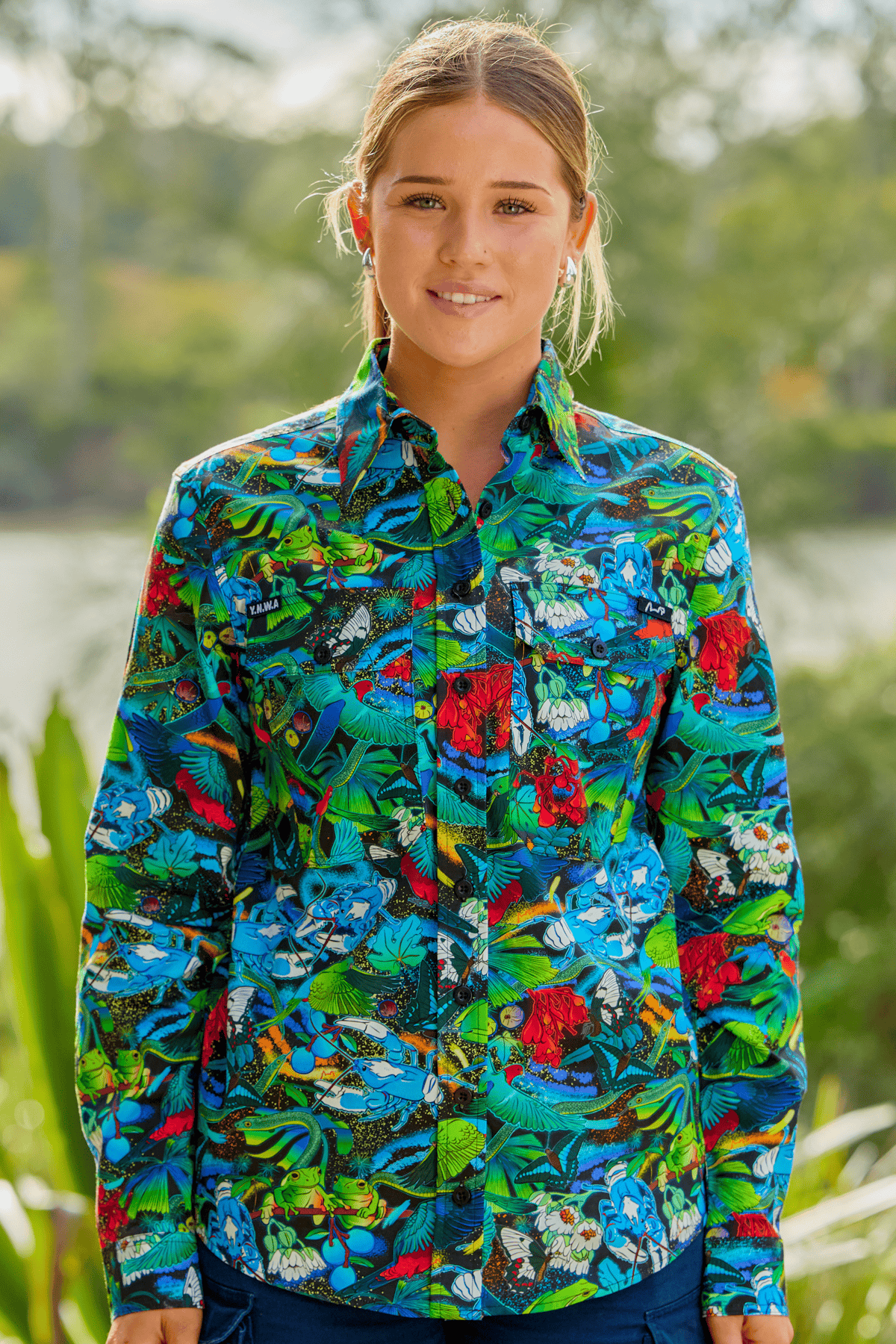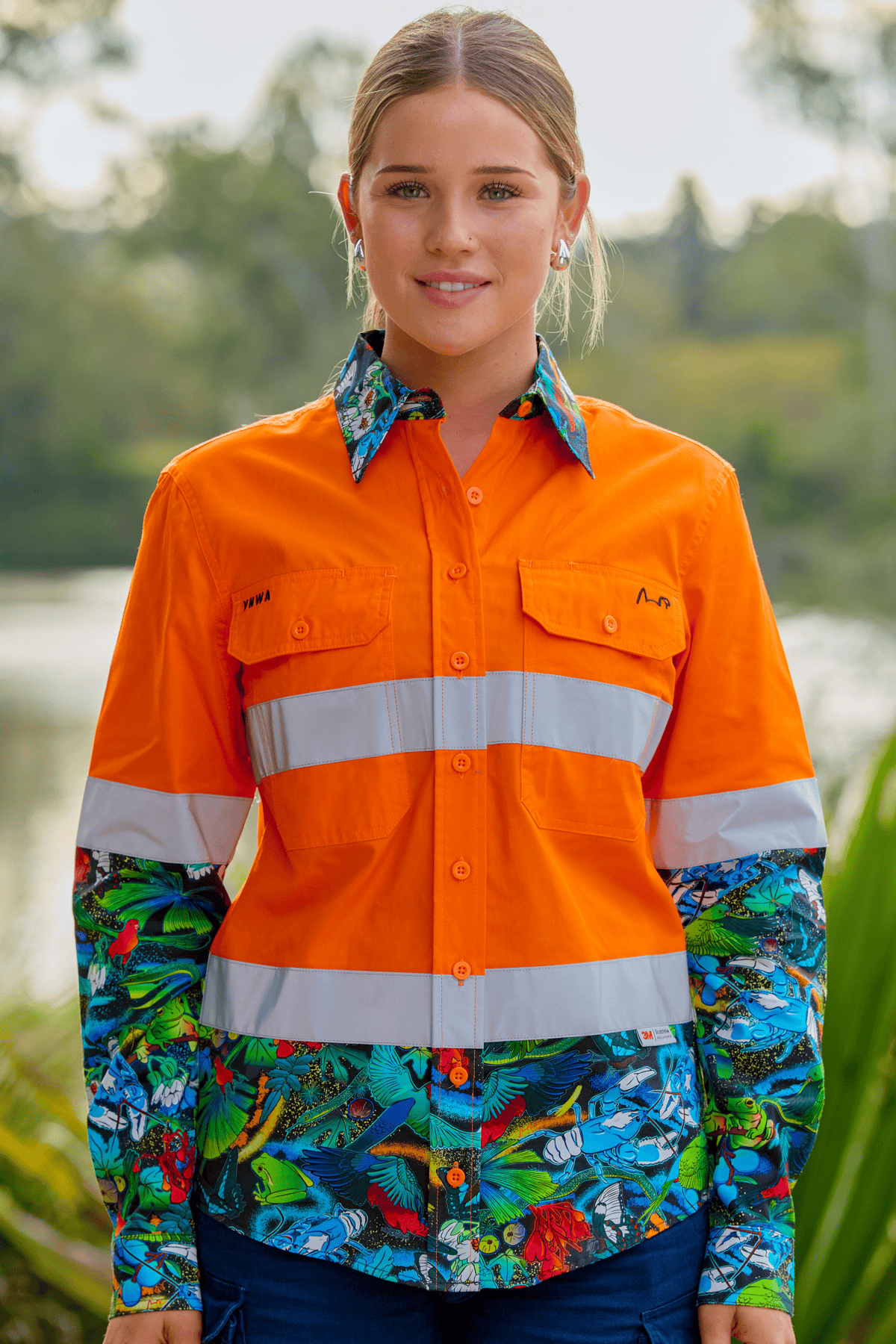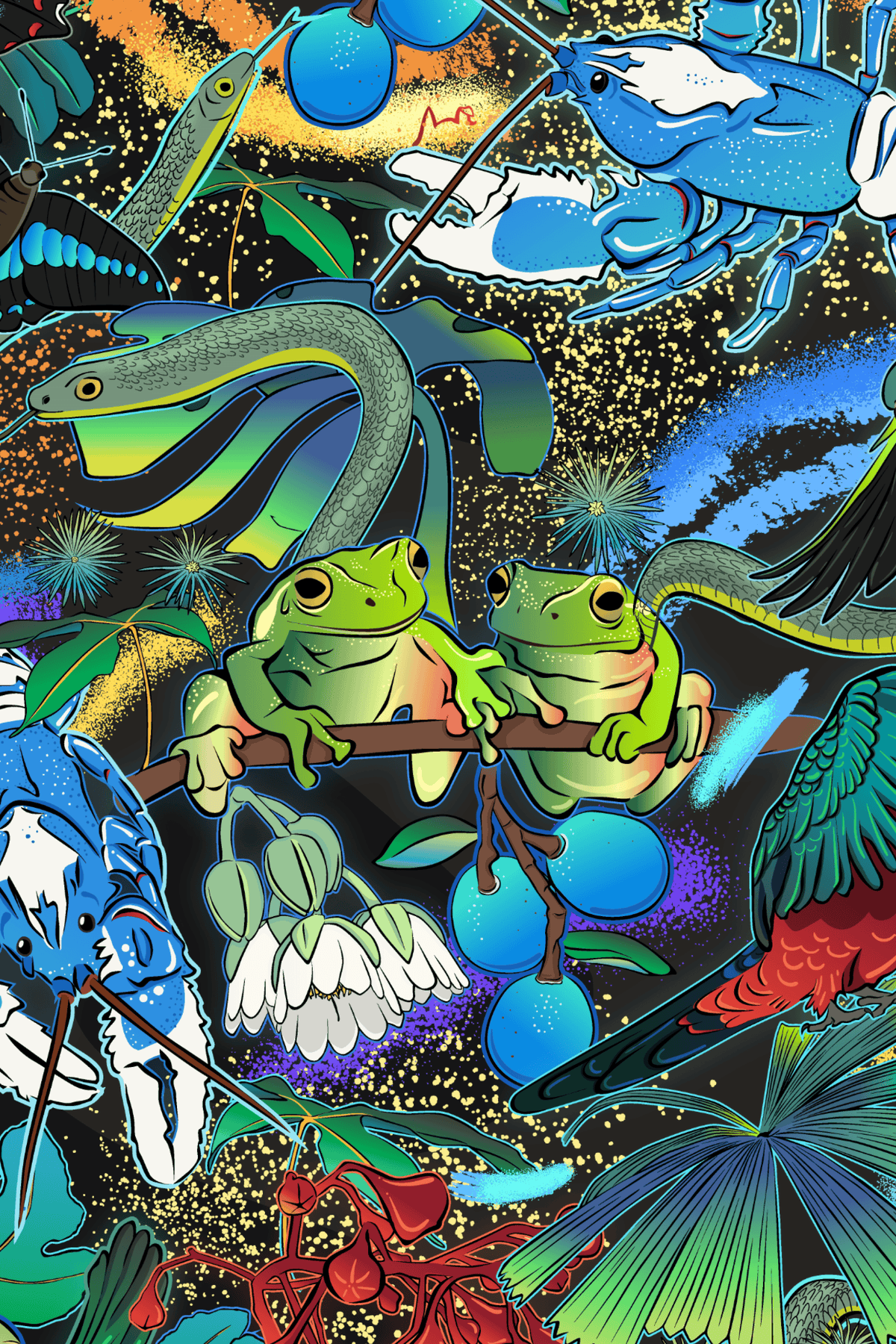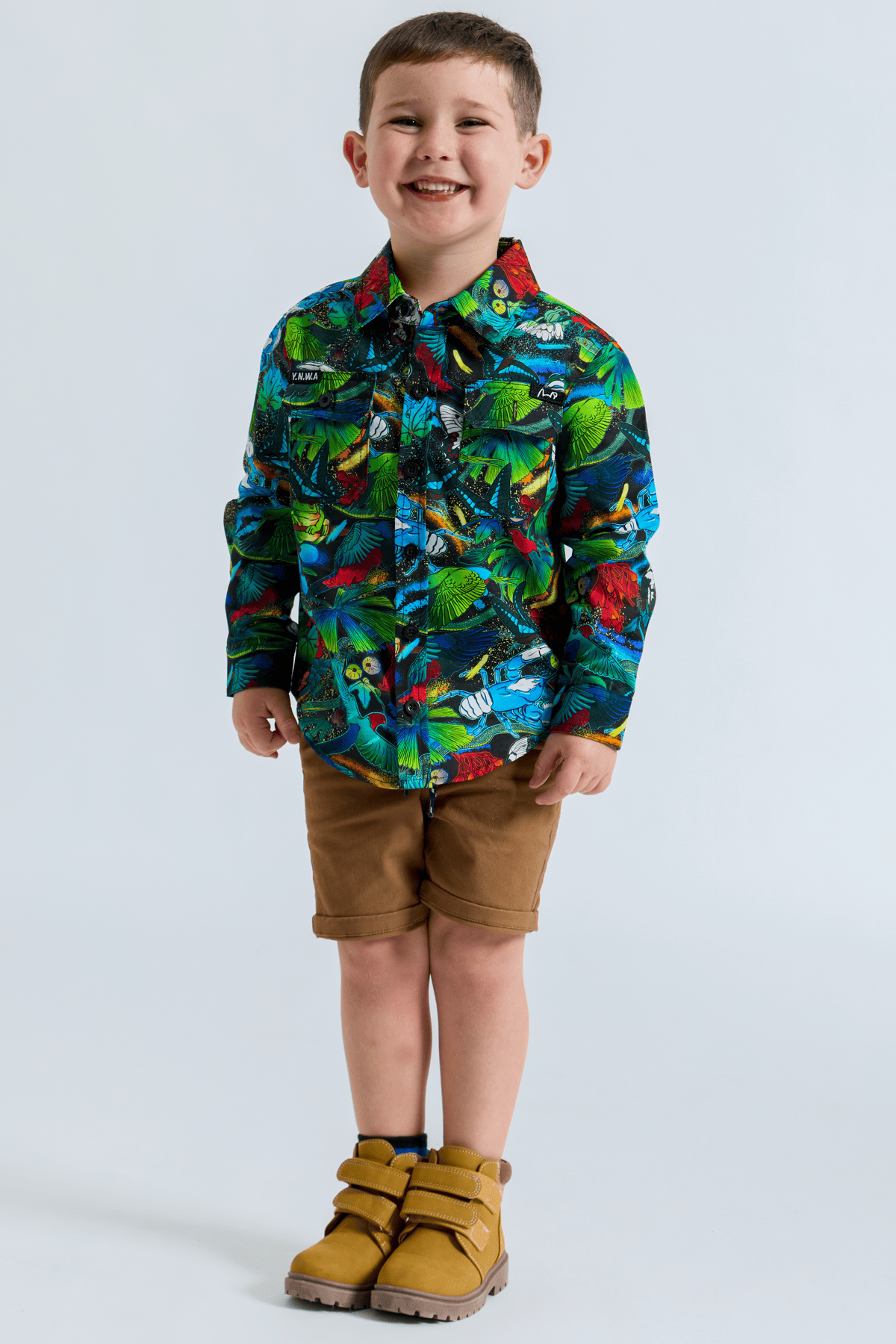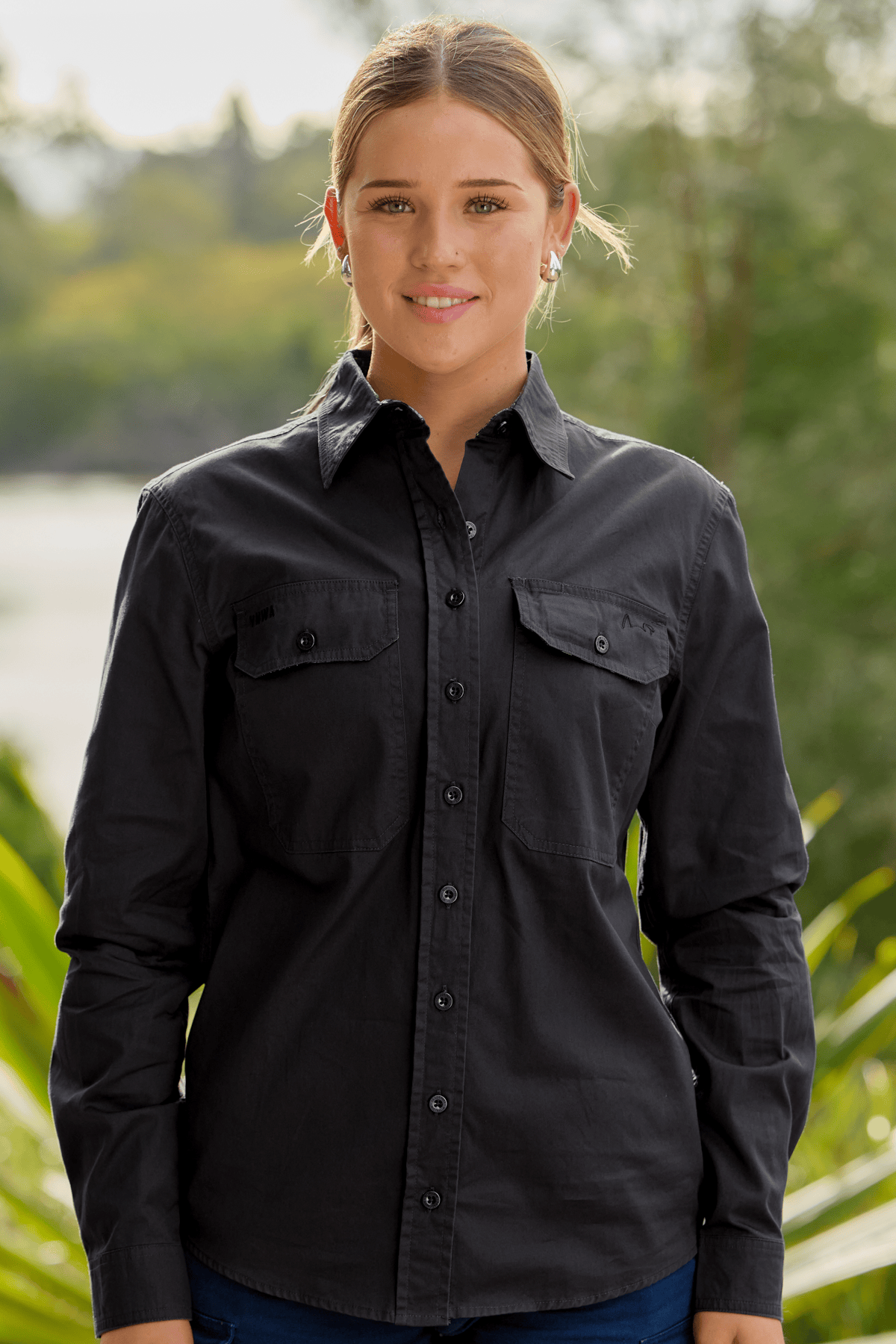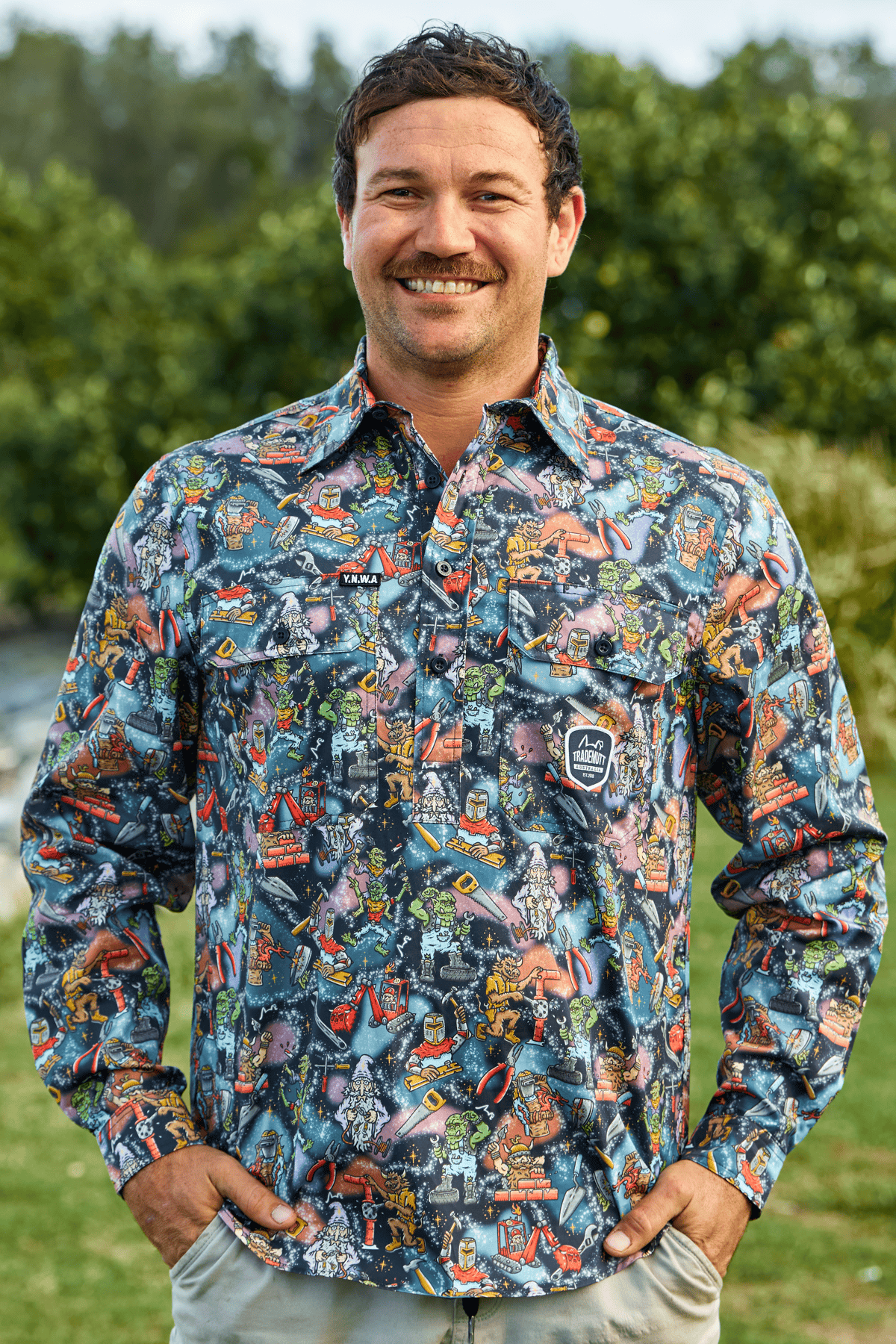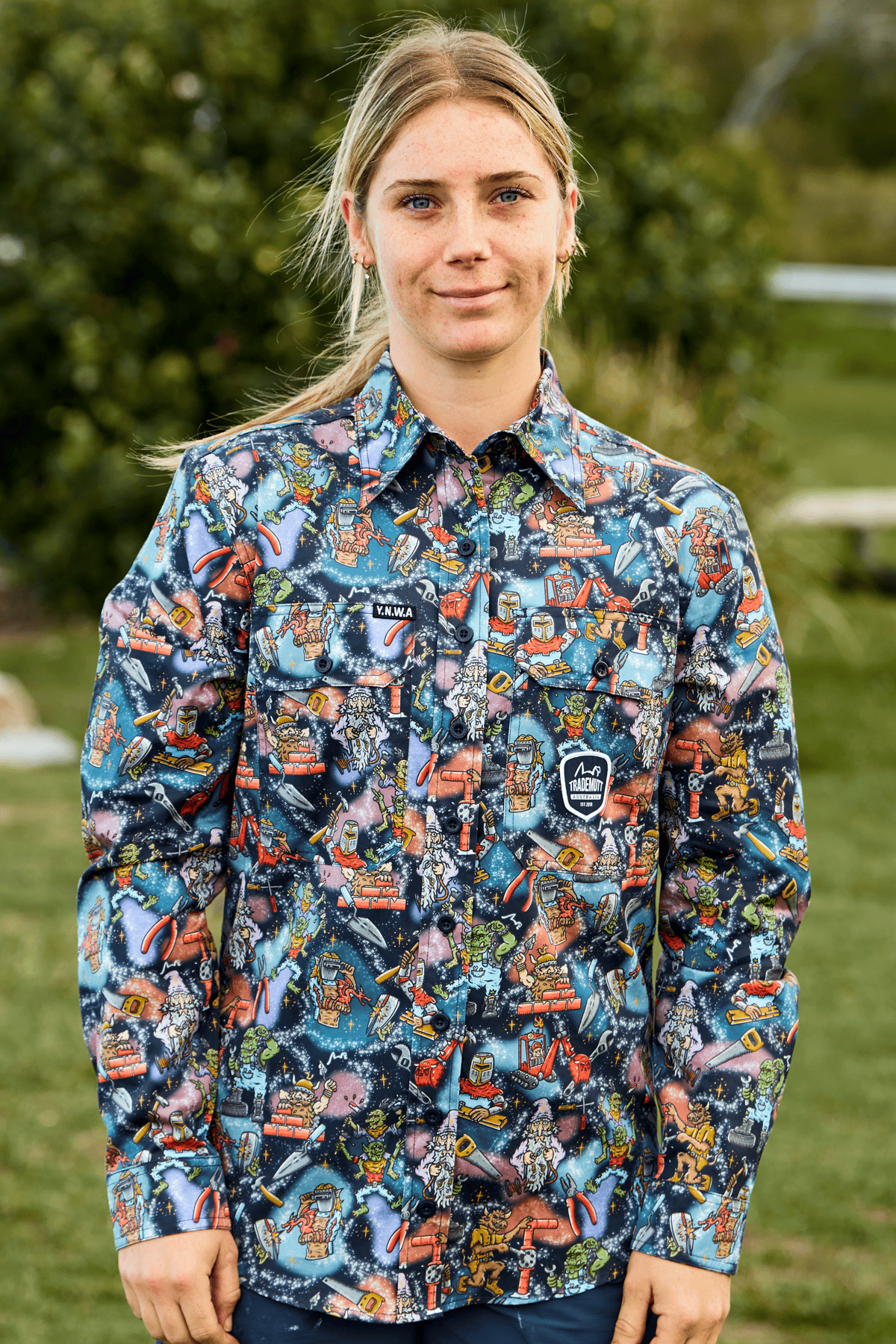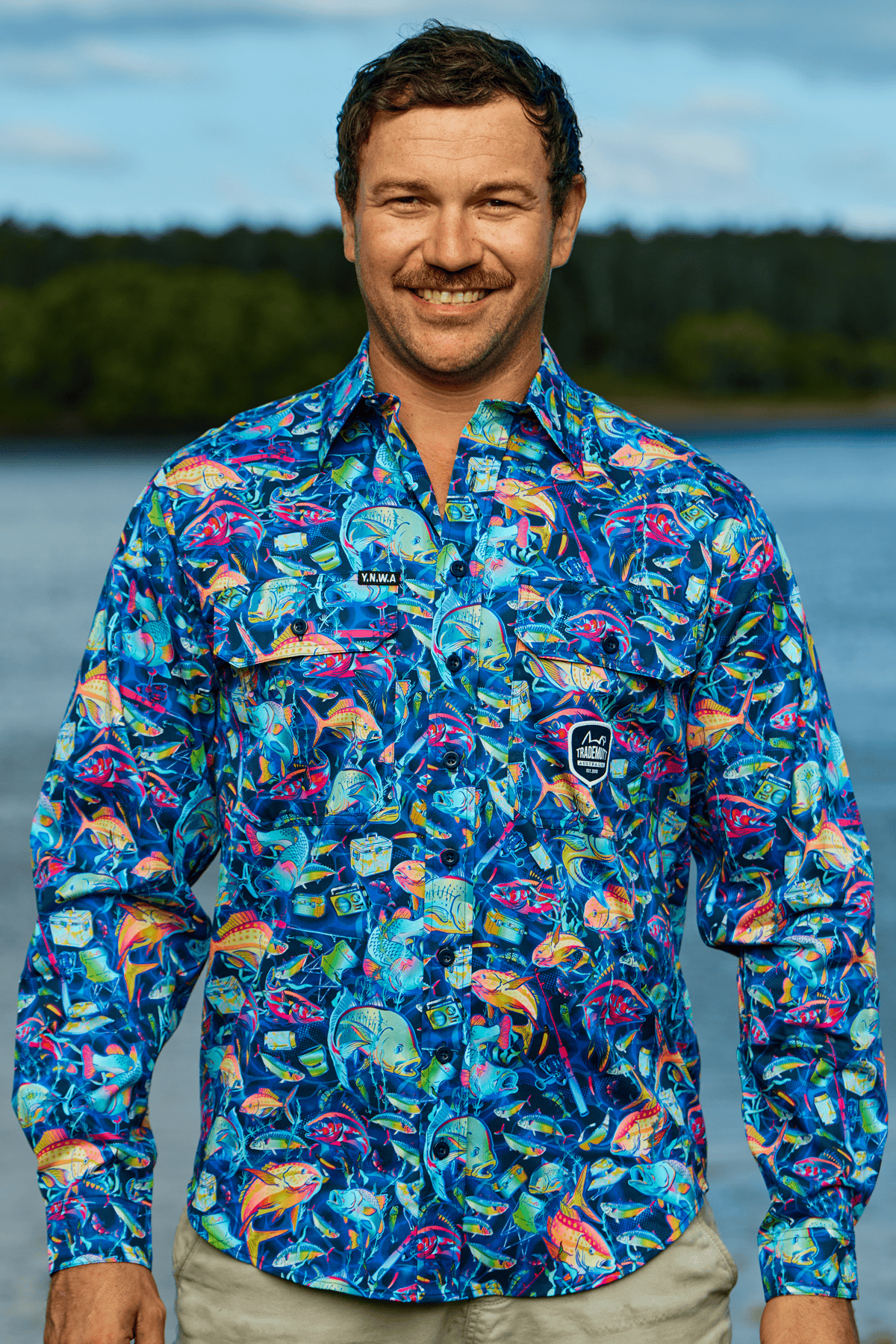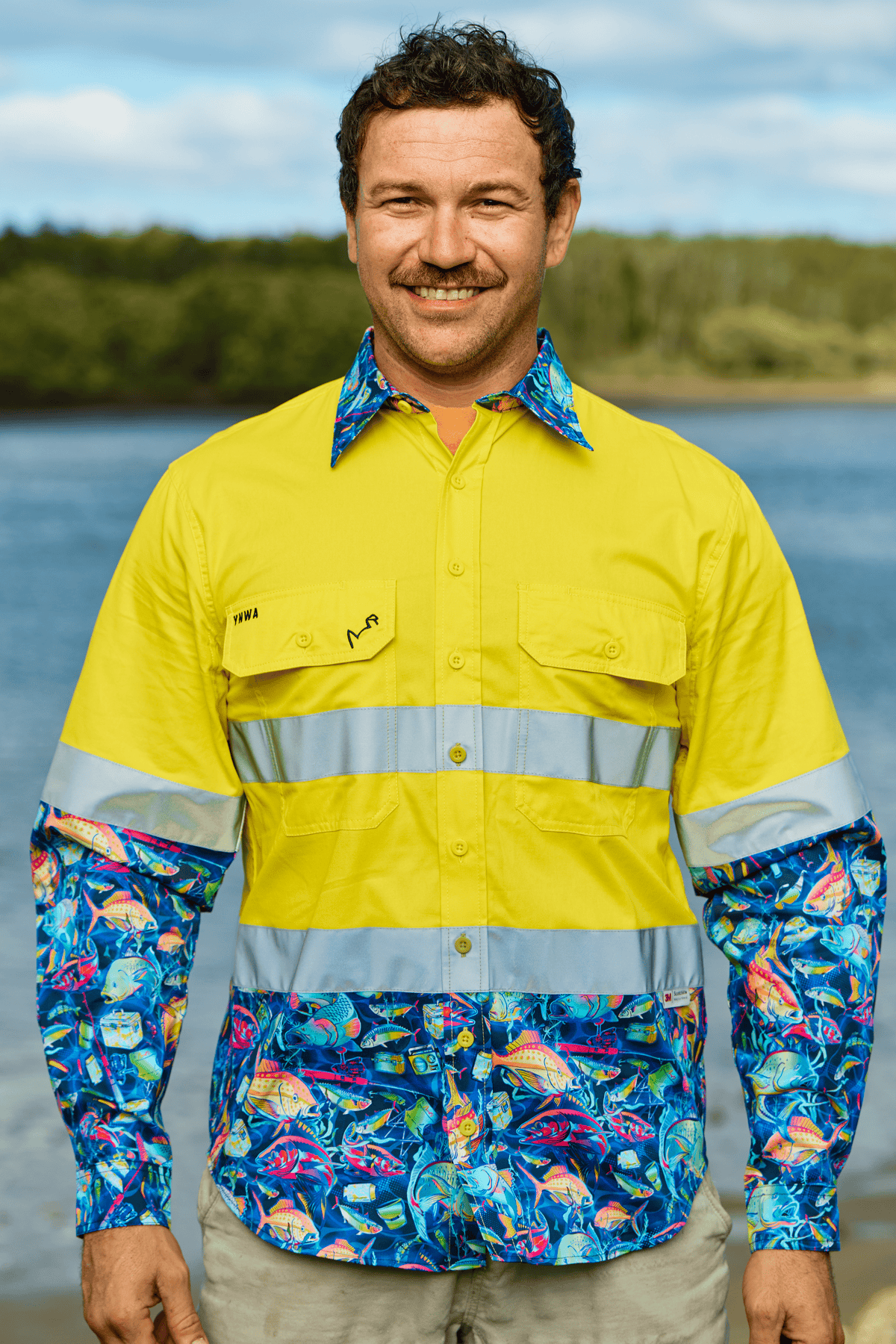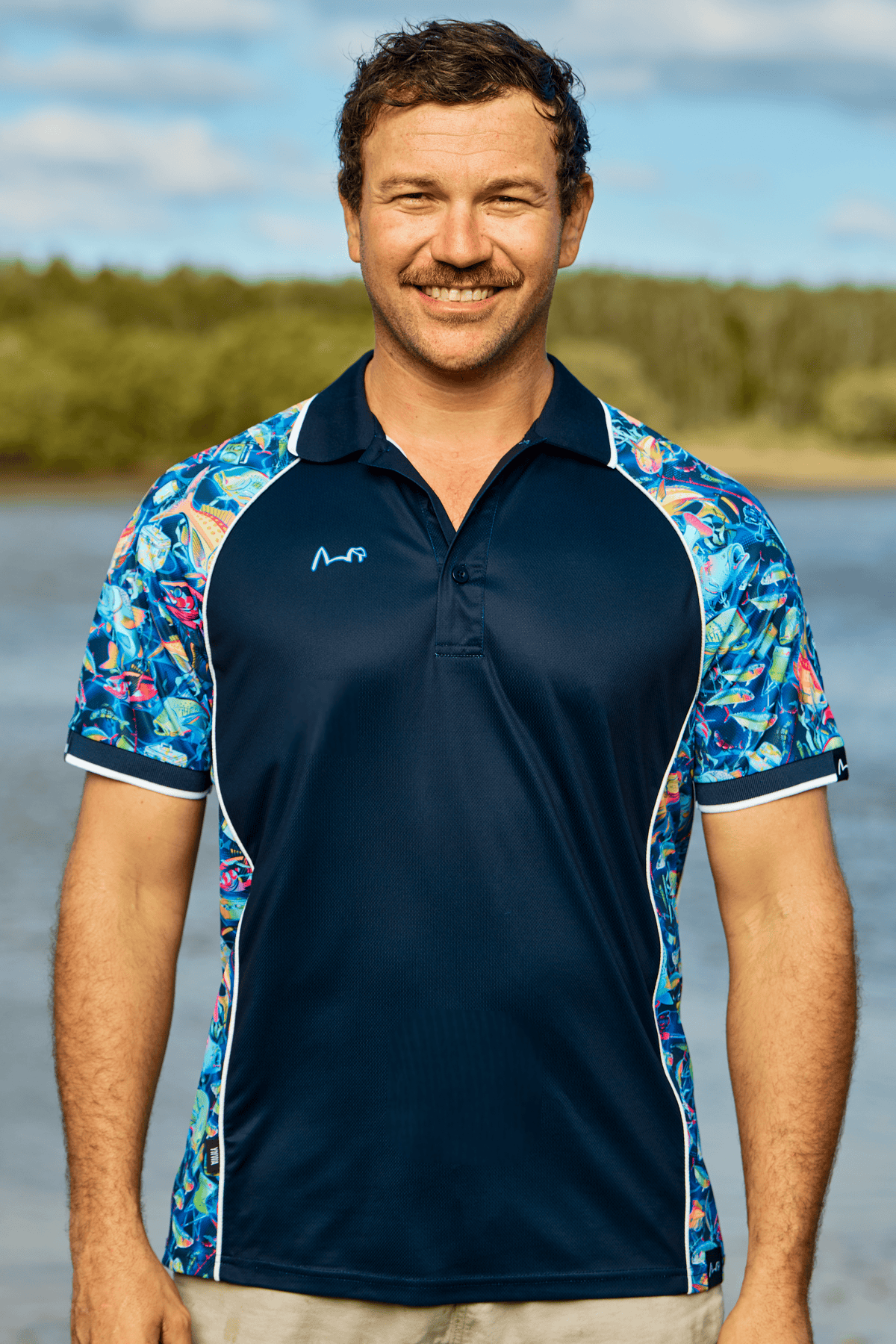



It happens within minutes.
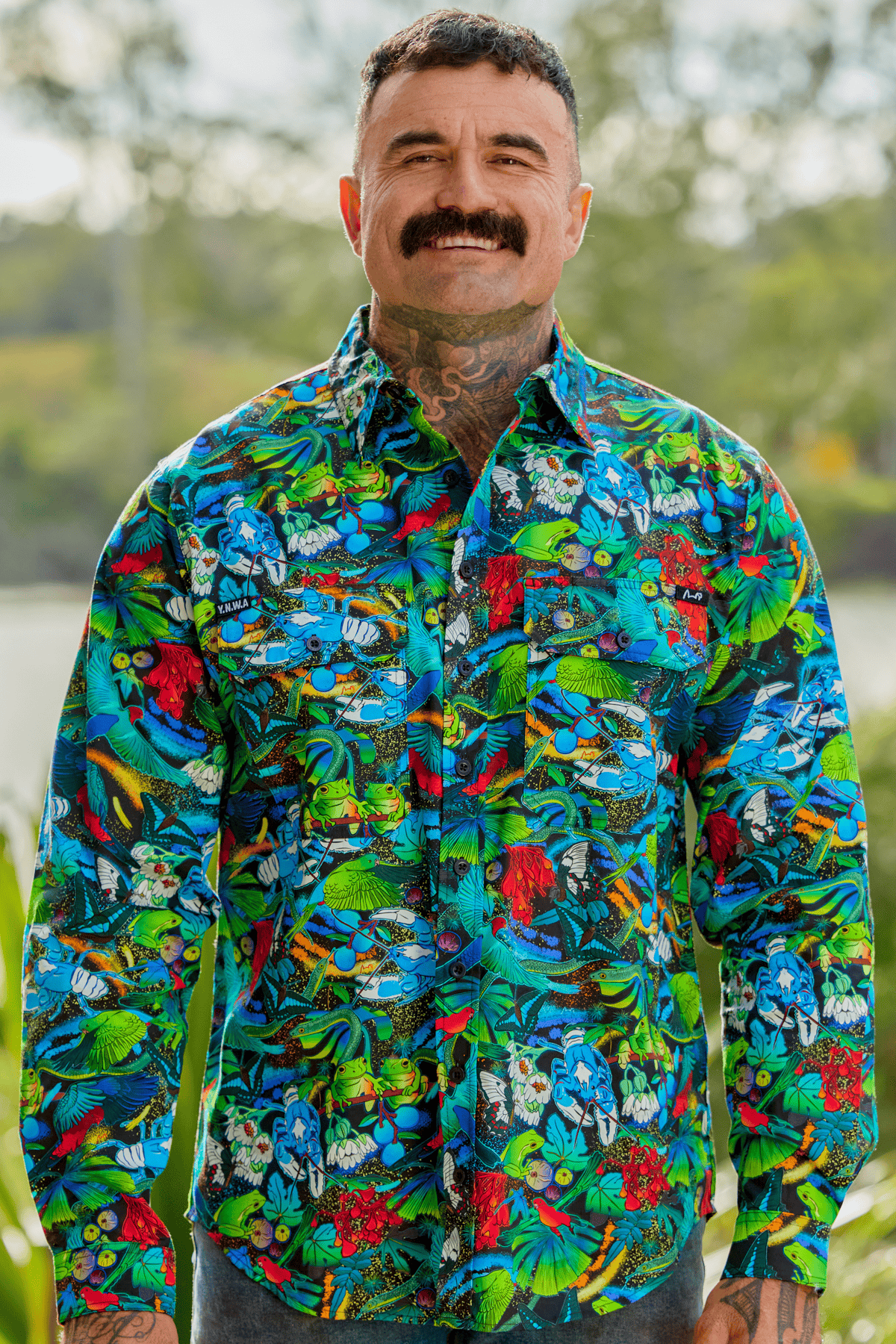
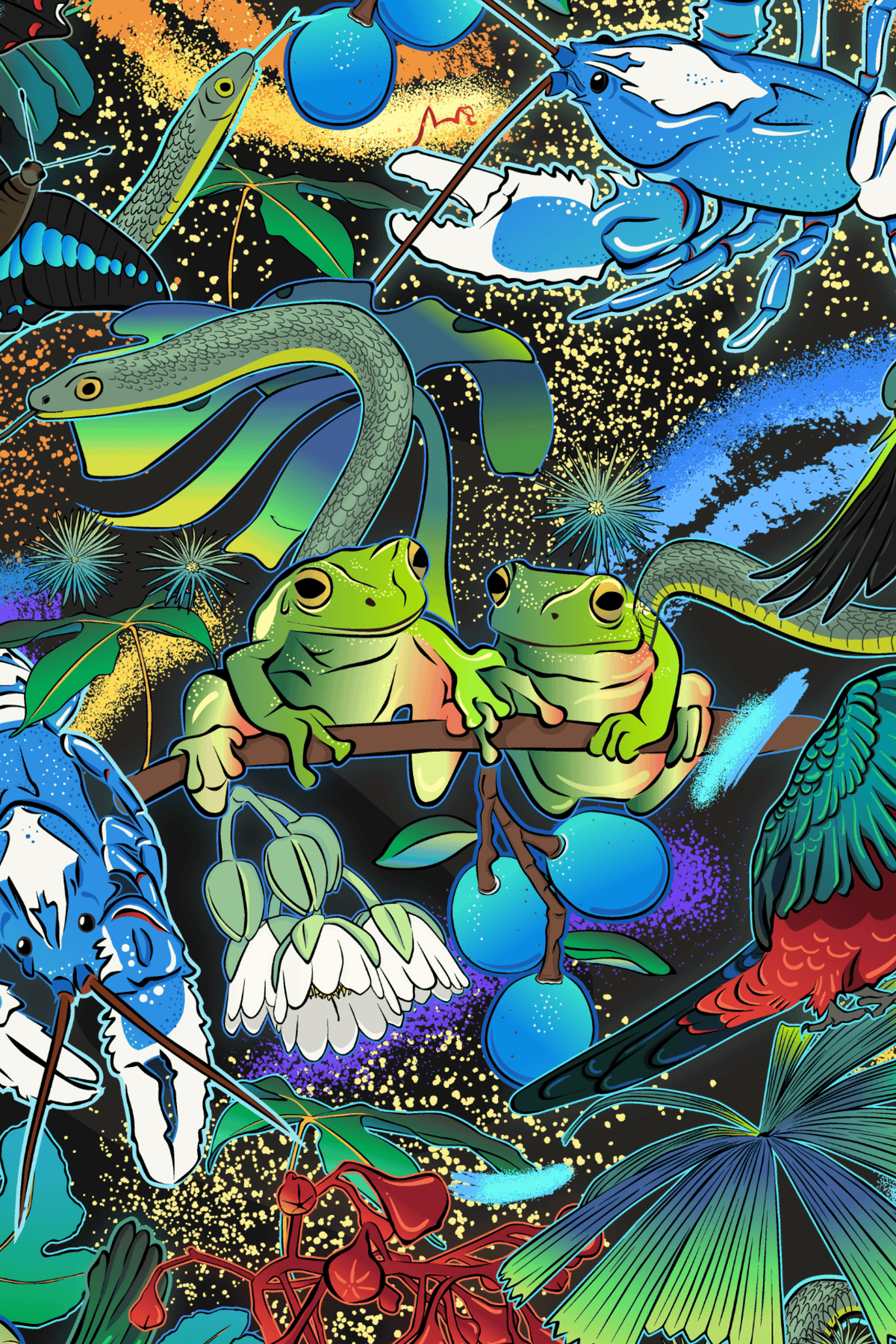
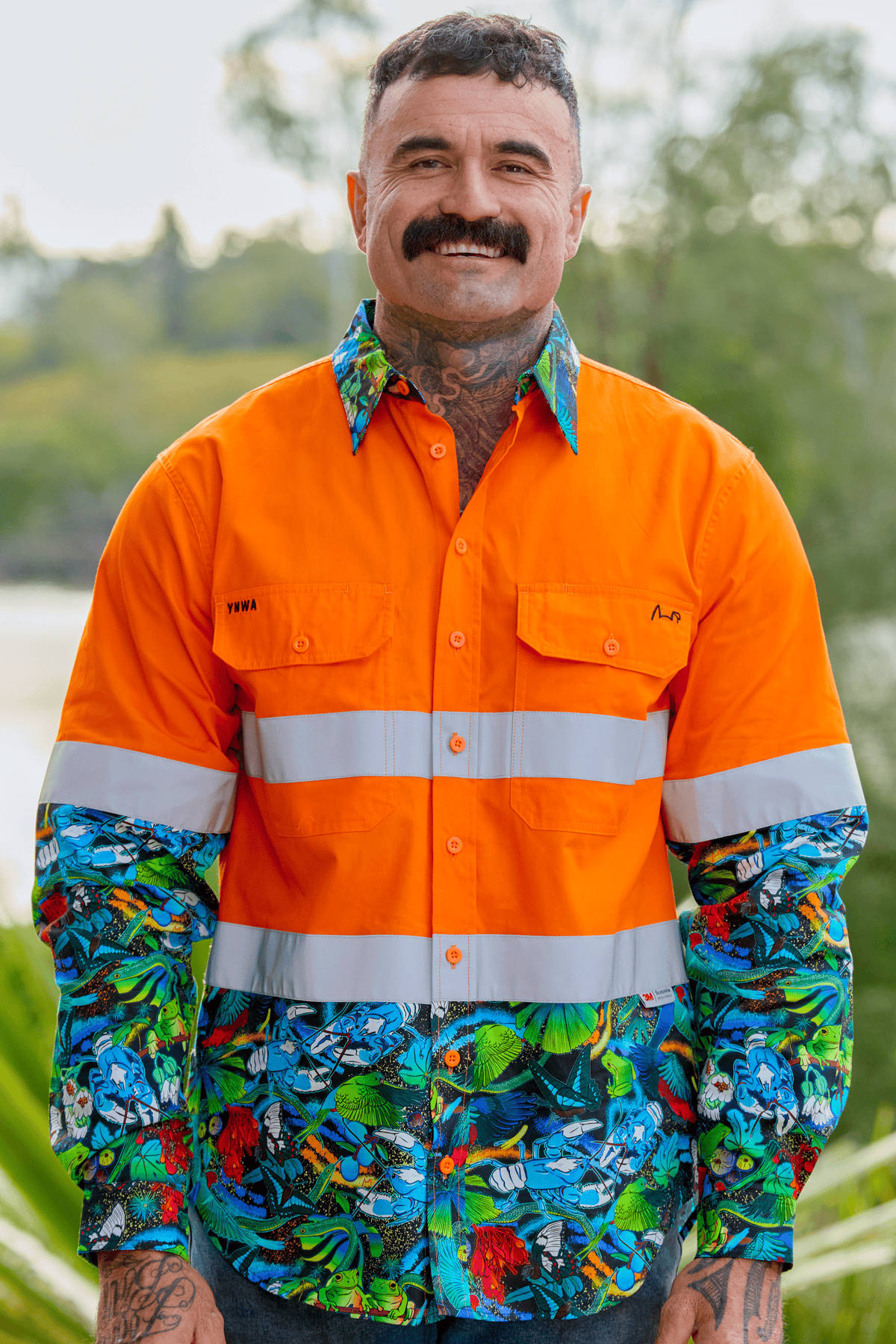
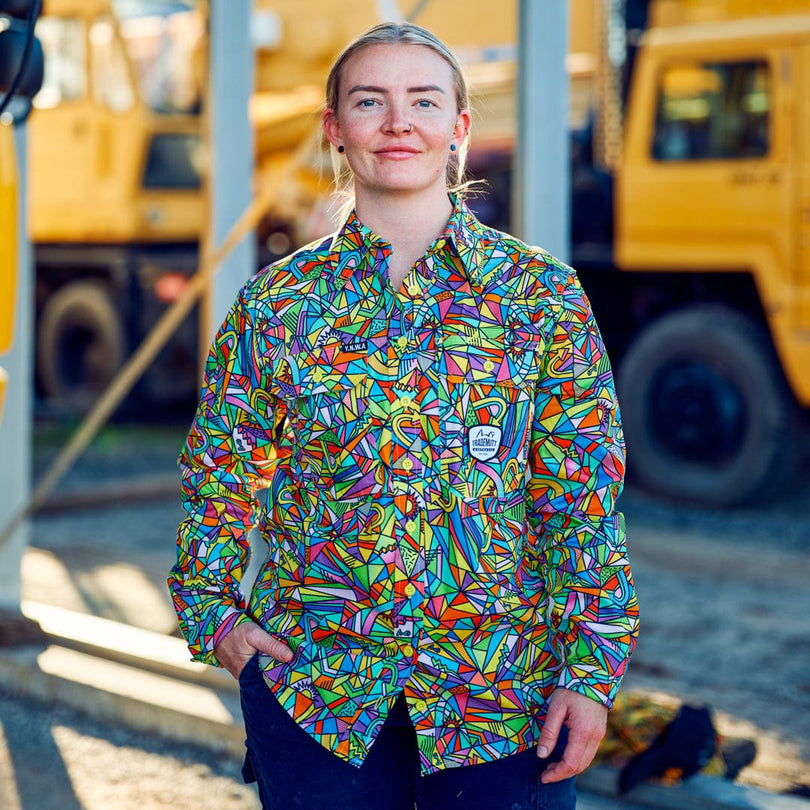
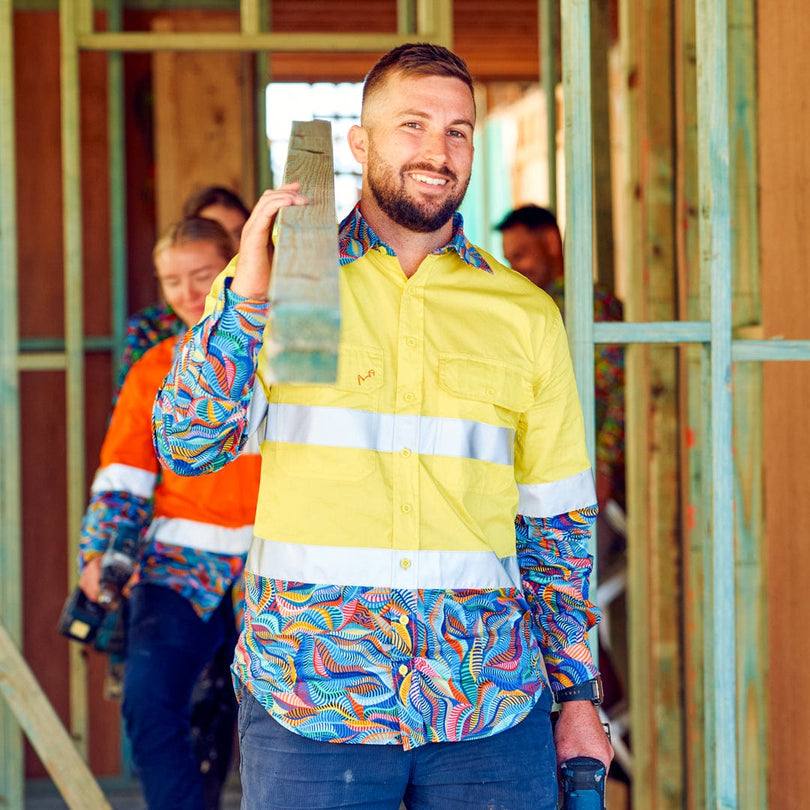
You pull on the shirt, walk out the door, and before you’ve even got to site, someone clocks it. Could be a stranger at the servo. Could be the tradie pulling up next to you at the lights.
They ask about it. You answer.
That thirty seconds of genuine human curiosity has a name now. We call it The Shirt Effect.
For years we watched it happen. We heard firsthand stories of lives being changed: shirts given off people’s backs to strangers who needed a lift; bosses decking out their whole team so everyone knew they were supported; people reaching out for help for the very first time because a conversation in a shirt gave them permission.
We believed it was real. We just couldn’t explain it properly. We felt like this needed to be explored.

Because when someone asks what you’re actually doing, you want to be able to show them. Not just feel it yourself.
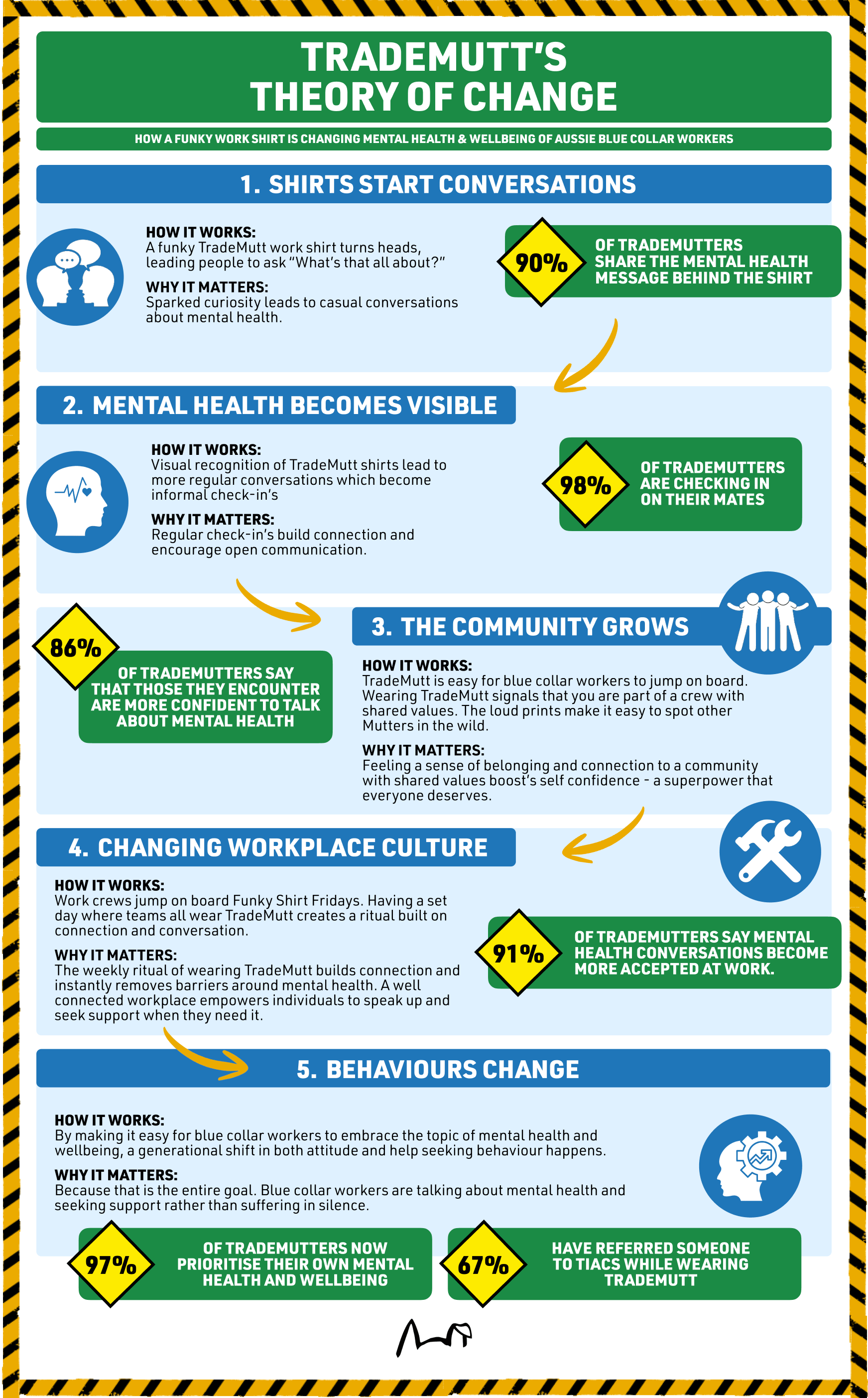
So over the past twelve months, we worked with Dr. Elizabeth-Rose Ahearn PhD from the University of Queensland to build TradeMutt’s Theory of Change.
A Theory of Change is exactly what it sounds like: a documented, evidence-based map of how something actually creates the impact it claims to. Not vibes. Not anecdotes. A clear chain from action to outcome, tested against research and real-world data. Organisations use them to prove their work is doing what they say it’s doing, and to understand which parts of the chain matter most.
For us, it answered one question: does a shirt actually do anything, beyond raising money for TIACS?
When the results came back, we were pumped to read them. We’d believed it for years. But belief and proof are different things.
What the research confirmed is a sequence. The shirt gets noticed. A question gets asked. A conversation starts. A thought gets planted. That conversation makes the next one easier. Over time, the culture shifts. Mental health stops being the thing nobody mentions and becomes something people actually talk about. Then the behaviour follows.
That’s The Shirt Effect. And it’s working against something serious.
Seventy percent of construction workers don’t feel comfortable talking about mental health at work. The construction industry loses more people to suicide than any other in Australia, not to physical accidents, but to the silence. To the weight workers carry alone because nobody around them has made it feel safe to put it down.
That silence gets passed down the same way everything else does on a worksite. The old hands don’t talk about it, so the apprentices don’t either. The cycle runs.
The shirt breaks the cycle. Not as a slogan. As a mechanism, with research to back it up.
There are apprentices walking onto sites today who will check in on their mates as naturally as they check their tools. Who are growing up watching the old hands around them have conversations that weren’t happening ten years ago. That’s not a program. That’s a generation being raised differently inside the trade.
None of them will remember a campaign. They’ll remember the tradie on site who asked if they were going alright. And it started because someone asked about a shirt.
That’s The Shirt Effect.
Check it out below. The full chain is mapped out: every link, every step, from the moment someone clocks your shirt to the moment a culture changes. Read it. Then put the shirt on and let it do what it was built to do.